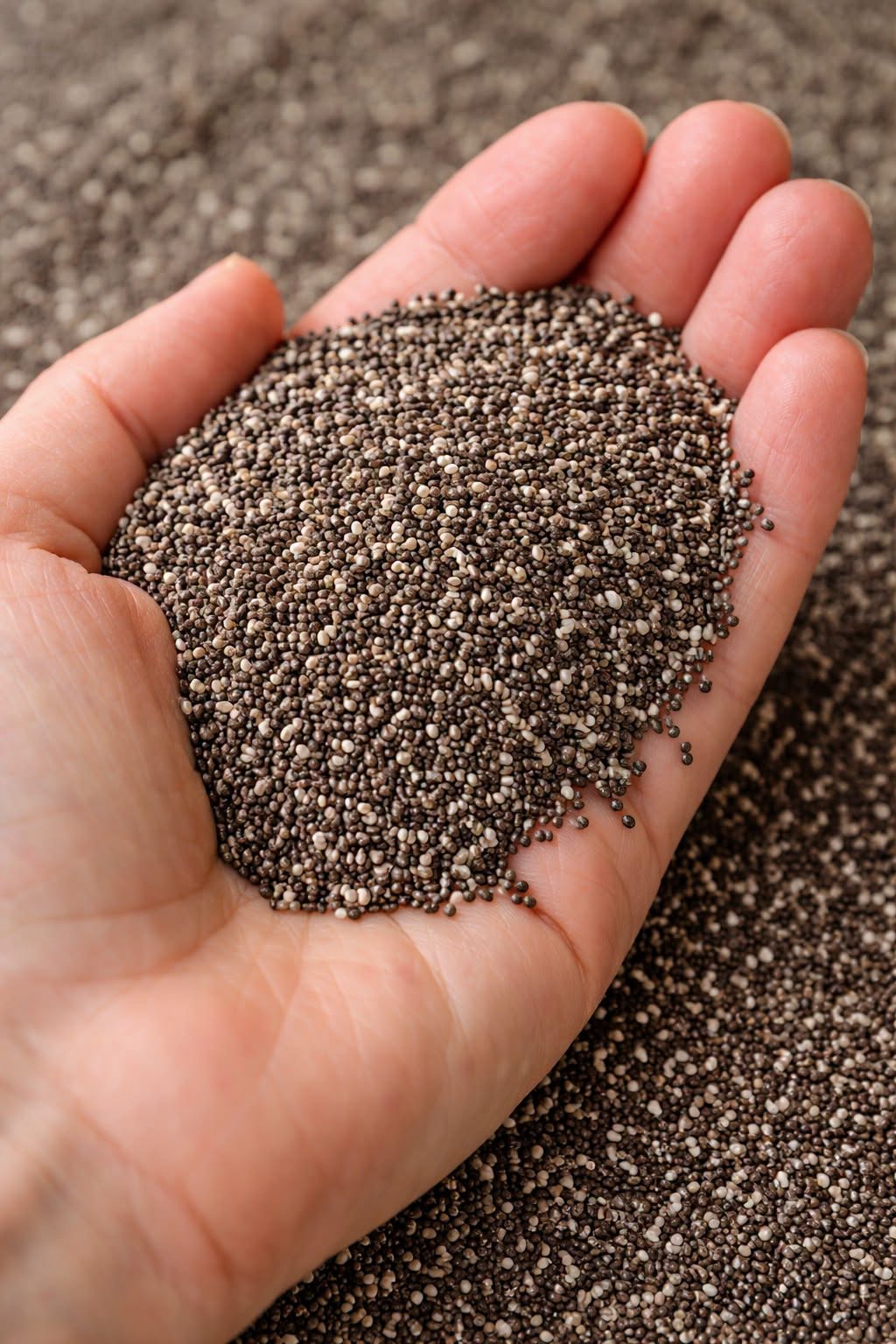
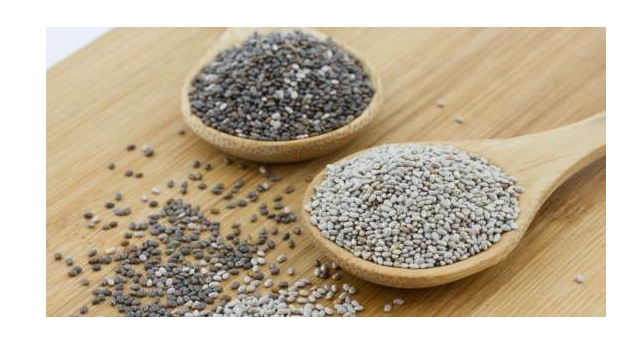
Chia seeds are small edible seeds rich in dietary fiber, plant-based omega-3 fatty acids, protein, minerals, and antioxidant compounds. Their mild flavor makes them easy to add to oatmeal, yogurt, smoothies, salads, and baked foods.
When mixed with liquid, chia seeds absorb water and develop a gel-like coating. This property can help add texture to meals and may contribute to fullness and digestive regularity. Chia seeds can support a nutritious diet, but they are not a cure for diabetes, heart disease, constipation, or obesity.
Their benefits depend on serving size, adequate fluid intake, the rest of a person’s diet, and individual health needs. Chia seeds are also calorie-dense, so larger quantities are not necessarily better.
What Are Chia Seeds?
Chia seeds come from Salvia hispanica, a flowering plant in the mint family. The plant is native to parts of Mexico and Central America, where its seeds have been used as food for centuries.
The seeds may be black, gray, brown, or white. Color does not generally create a meaningful difference in their basic nutritional value. Chia seeds have a subtle, slightly nutty flavor that blends easily with other ingredients.
They are naturally gluten-free. However, people with celiac disease should choose products certified gluten-free when cross-contact with wheat, barley, or rye is a concern.
Are Chia Seeds a Superfood?
“Superfood” is a marketing term rather than a formal scientific classification. Chia seeds are nutrient-dense, but they do not provide every nutrient the body needs and cannot compensate for an otherwise poor diet.
They are best viewed as one useful component of a varied eating pattern that includes vegetables, fruit, legumes, whole grains, nuts, seeds, and appropriate sources of protein.
Chia Seed Nutrition
A typical serving of two tablespoons, or approximately 28 grams, provides roughly:
- About 138 calories
- Approximately 4.5 to 5 grams of protein
- About 8.5 to 9 grams of fat
- Approximately 10 grams of dietary fiber
- Nearly 5 grams of alpha-linolenic acid, depending on the product
- Calcium, magnesium, phosphorus, manganese, iron, and zinc
Exact values vary by brand, seed variety, growing conditions, and serving measurement. Because much of the carbohydrate in chia consists of fiber, the seeds contain relatively little digestible carbohydrate.
Chia seeds are not an important source of vitamin C or vitamin A, despite claims sometimes made about them. Their primary nutritional strengths are fiber, alpha-linolenic acid, protein, and minerals.
Chia Seeds Are High in Dietary Fiber
Two tablespoons of chia seeds provide approximately 10 grams of fiber, which is a substantial contribution toward daily requirements. Recommended intake varies according to age, sex, calorie needs, and the nutritional standard being used.
Chia seeds contain both soluble and insoluble fiber. Soluble fiber absorbs water and contributes to the gel that forms around the seeds. Insoluble fiber adds bulk to intestinal contents and helps support normal bowel movement.
Increasing fiber too quickly can cause gas, bloating, cramps, or diarrhea. People who currently eat little fiber should begin with a smaller portion and increase it gradually while consuming sufficient fluids.
Chia Seeds and Digestive Health
The fiber in chia seeds can support digestive regularity. Some of the fiber may also be fermented by intestinal bacteria, helping produce compounds that contribute to a healthy intestinal environment.
Chia seeds do not “detoxify” the digestive system, and they are not a treatment for every bowel disorder. Responses vary considerably, particularly among people with irritable bowel syndrome, inflammatory bowel disease, gastroparesis, swallowing disorders, or a history of intestinal narrowing.
If chia seeds consistently cause pain, severe bloating, vomiting, or difficulty swallowing, stop consuming them and seek appropriate medical advice.
Can Chia Seeds Help With Constipation?
The fiber and water-holding capacity of chia seeds may help soften stool and support regular bowel movements in some people. They should be introduced gradually and accompanied by adequate fluid.
Eating a large amount of chia without enough liquid can have the opposite effect and may worsen discomfort or constipation. Chia seeds should not replace medical evaluation when constipation is severe, persistent, accompanied by bleeding, or associated with unexplained weight loss.
There is no need to obtain an entire day’s fiber from chia seeds. Fiber is best supplied by a range of foods, including vegetables, fruit, beans, lentils, whole grains, nuts, and other seeds.
Chia Seeds Provide Plant-Based Omega-3 Fat
Chia seeds are one of the richest plant sources of alpha-linolenic acid, commonly abbreviated as ALA. ALA is an essential omega-3 fatty acid, meaning the body cannot produce it and must obtain it from food.
ALA contributes to normal nutrition and may support cardiovascular health when it replaces some saturated fat in the diet. Other sources include flaxseeds, walnuts, hemp seeds, soy foods, and certain plant oils.
ALA Is Not the Same as EPA and DHA
The body can convert a portion of ALA into eicosapentaenoic acid, or EPA, and then into docosahexaenoic acid, or DHA. This conversion is limited and varies between individuals.
Chia seeds should therefore not be described as nutritionally identical to oily fish or algae-based omega-3 products. Fish provides EPA and DHA directly, while certain algae supplements can provide DHA and sometimes EPA without animal ingredients.
People who avoid fish may use chia seeds as a valuable source of ALA, but those who require preformed EPA or DHA should discuss suitable food or supplement options with a healthcare professional.
Chia Seeds Contain Antioxidant Compounds
Chia seeds contain naturally occurring compounds such as phenolic acids and flavonoids. These compounds help protect the fats within the seed from oxidation and can contribute to overall dietary antioxidant intake.
Laboratory measurements of antioxidant capacity do not prove that chia seeds prevent a specific disease in humans. They are simply one of many plant foods that supply potentially beneficial phytochemicals.
Are Chia Seeds a Complete Protein?
Chia seeds contain all nine essential amino acids and are sometimes described as a complete protein. However, a two-tablespoon serving provides less than 5 grams of protein, so chia is not as concentrated a protein source as beans, lentils, soy foods, eggs, fish, dairy products, poultry, or meat.
Chia seeds can add protein to a meal, but relying on them alone would make it difficult to meet daily protein requirements. Their strongest nutritional role is the combination of fiber, ALA, minerals, and modest protein.
Chia Seeds Versus Flaxseeds
Both chia and flaxseeds are nutritious. Chia seeds generally provide more fiber per comparable serving, while flaxseeds may provide slightly more ALA. Exact quantities vary by database and product.
Whole flaxseeds may pass through the digestive tract without being fully broken down, so grinding them improves access to their nutrients. Chia seeds can generally be eaten whole because their outer coating hydrates and softens when exposed to liquid.
There is no need to choose only one. Using both can provide variety in flavor, texture, and nutrient intake.
The nutritional profile of chia seeds is impressive, but understanding how that profile translates into real health outcomes requires separating promising evidence from exaggerated claims.
Potential Benefits for Heart Health
The fiber, ALA, protein, and minerals in chia seeds can contribute to a heart-conscious diet. Replacing foods rich in saturated fat or refined carbohydrates with seeds and other minimally processed plant foods may improve overall dietary quality.
Clinical trials examining chia seeds have reported mixed results. Some studies have observed improvements in selected risk markers, while others have found little or no meaningful change in cholesterol, blood pressure, inflammation, or body weight.
Chia seeds should not be expected to prevent a heart attack or stroke on their own. Cardiovascular health depends on the overall diet, physical activity, blood pressure, LDL cholesterol, blood sugar, smoking status, sleep, age, genetics, and prescribed treatment.
Can Chia Seeds Lower Cholesterol?
Soluble fiber can contribute to healthy cholesterol management, and chia seeds contain some soluble fiber. However, evidence that chia seeds alone significantly lower LDL cholesterol remains inconsistent.
They may be most helpful when used to replace less nutritious ingredients. For example, adding chia to unsweetened oatmeal is different from adding it to a dessert containing large amounts of sugar and saturated fat.
Anyone with high cholesterol should continue following professional guidance. Chia seeds cannot replace statins or other prescribed treatments.
Possible Effects on Blood Pressure
Some trials have found modest blood-pressure changes among participants consuming chia seeds or chia flour, while other studies have not demonstrated a clear effect.
People taking blood-pressure medication should not substantially increase chia intake in an attempt to reduce their dosage. Blood pressure should be monitored, and medication changes must be directed by a qualified healthcare professional.
Chia Seeds and Blood-Sugar Control
The gel-forming fiber in chia seeds may slow the digestion and absorption of carbohydrate when the seeds are eaten as part of a meal. Small studies have reported a reduced rise in blood glucose after meals containing chia.
This does not mean chia seeds lower blood glucose in every situation or treat diabetes. The effect depends on the entire meal, serving size, medication, activity, and the individual’s metabolic health.
People with diabetes can often include chia seeds in a balanced diet, but they should continue monitoring blood glucose and following their prescribed treatment plan.
Chia Seeds and Weight Management
Chia seeds expand when hydrated, and their fiber may contribute to fullness. Adding a moderate portion to yogurt, oatmeal, or another meal may reduce hunger temporarily for some people.
Research on chia seeds and long-term weight loss is mixed. Some studies have reported modest benefits in specific populations, while others have found no significant reduction in body weight.
Chia seeds are not low in calories. Two tablespoons contain approximately 138 calories, and several large spoonfuls can add considerable energy to a meal.
For weight management, chia seeds are most useful as a measured ingredient within an appropriate eating plan. They do not burn abdominal fat or cause weight loss without an overall calorie deficit.
Chia Seeds and Bone Health
Chia seeds provide calcium, magnesium, phosphorus, manganese, and protein, all of which contribute to normal bone structure and function.
However, claims that eating chia seeds prevents osteoporosis are stronger than current human evidence supports. Some studies showing improved bone measures have involved animals rather than people.
Bone health also depends on vitamin D, hormonal status, physical activity, age, medication use, and total nutrient intake. Weight-bearing exercise and resistance training are particularly important.
Chia Seeds as a Source of Calcium
Chia seeds can contribute calcium, which may be useful for people who do not consume dairy products. Nevertheless, a normal serving should be combined with other calcium sources rather than treated as a complete substitute.
Other options include calcium-set tofu, fortified plant-based drinks, dairy products, canned fish with edible bones, beans, and certain green vegetables.
Do Chia Seeds Improve Exercise Performance?
Chia seeds have a historical reputation as an endurance food, and chia drinks are sometimes marketed to athletes. They provide energy, fluid-holding fiber, and ALA, but research has not established that they consistently improve athletic performance.
Immediately before intense exercise, a large amount of fiber may cause gastrointestinal discomfort. Athletes should test chia-containing foods during training rather than trying them for the first time before an important event.
Chia Seeds and Hydration
Hydrated chia seeds retain water and can be included in drinks or foods. However, they do not hydrate the body more effectively than ordinary fluids in every circumstance.
Water and electrolytes remain the primary considerations during prolonged exercise, extreme heat, vomiting, or diarrhea. Chia drinks should not replace medically appropriate oral rehydration solutions when those are needed.
Chia Seeds and Inflammation
ALA and plant antioxidants may influence inflammatory pathways, but studies investigating chia seeds have not consistently shown significant reductions in human inflammatory markers.
A varied dietary pattern rich in vegetables, fruit, whole grains, legumes, nuts, seeds, fish, and unsaturated fats is more strongly supported than relying on one seed as an anti-inflammatory treatment.
Chia Seeds Do Not Treat Diverticulitis
Fiber may help support long-term bowel health, but chia seeds should not be presented as a remedy for an acute diverticulitis attack. During an acute episode, a healthcare professional may temporarily recommend a different dietary approach.
People with diverticular disease should follow individualized medical guidance, particularly when experiencing fever, severe abdominal pain, vomiting, or changes in bowel habits.
Chia Seeds and Cancer Claims
Older observational research raised questions about high blood levels or intakes of ALA and prostate cancer. Later research has produced inconsistent findings, and current evidence does not establish that ordinary chia-seed consumption causes prostate cancer.
It is also inaccurate to claim that chia seeds prevent or cure cancer. Anyone undergoing cancer treatment should discuss major dietary changes or concentrated supplements with their medical team.
Understanding Chia Seed Oil
Chia seed oil is extracted from the seeds and contains concentrated fat, particularly ALA. Unlike whole chia seeds, the oil provides little or no dietary fiber and significantly less protein and mineral content.
Chia oil can be used in small amounts in cold foods if the product is intended for culinary use. It should be stored according to the manufacturer’s directions because polyunsaturated fats are sensitive to heat, light, and oxygen.
Chia oil should not be confused with alpha-lipoic acid. Although both are sometimes abbreviated as ALA, alpha-linolenic acid is an omega-3 fatty acid, while alpha-lipoic acid is a different compound. Evidence involving alpha-lipoic-acid skin cream does not prove that chia seed oil produces the same effects.
Chia oil may soften the skin like other plant oils, but claims that it reverses sun damage or facial aging require stronger clinical evidence.
Chia seeds can be a convenient addition to everyday meals, but the way they are prepared matters—especially because dry seeds can swell rapidly when exposed to liquid.