Natural and Powerful Homemade Weed Control
Weeds are one of the most common challenges faced by homeowners and gardeners. They appear in driveway cracks, patio joints, sidewalks, gravel paths, and flower beds, often returning soon after being removed.
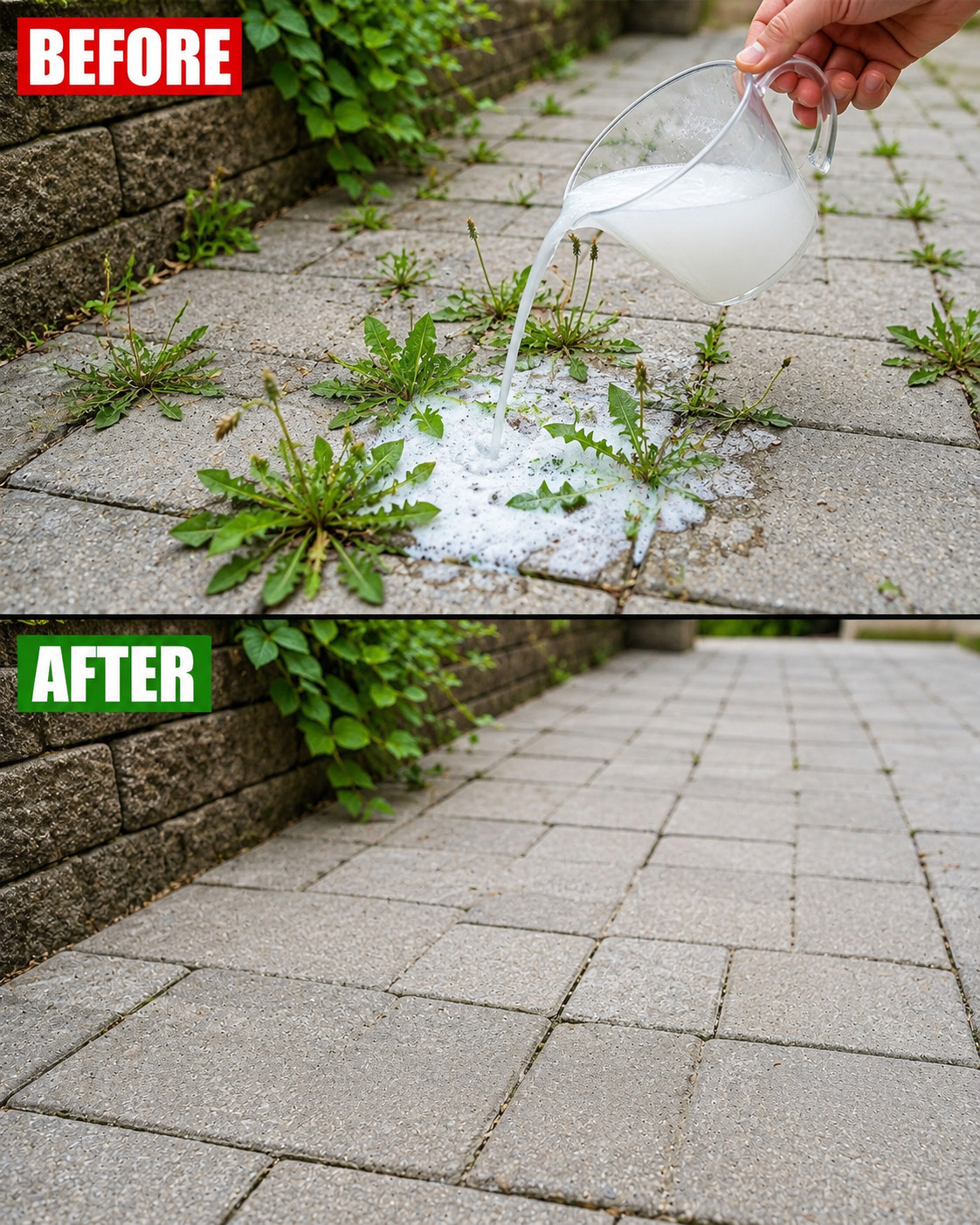
While commercial weed killers are widely available, many people prefer homemade alternatives made from simple household ingredients. These mixtures are inexpensive, easy to prepare, and can be effective for controlling unwanted weeds—especially in hardscape areas where plants are not wanted.
However, it’s important to understand how these homemade solutions work and where they should—and should not—be used to avoid damaging desirable plants or affecting soil quality.
Why Homemade Weed Sprays Are Popular
Homemade weed-control solutions appeal to many homeowners because they use common kitchen ingredients and can be prepared in just a few minutes.
Many people also appreciate having an alternative to commercial herbicides, particularly around patios, walkways, and other outdoor living spaces.
Keep in mind that “natural” does not always mean harmless. Some ingredients can have long-lasting effects on soil if used improperly.
Ingredients You’ll Need
• 300 ml water
• 1 tablespoon citric acid
• 200 ml white vinegar
• 1 tablespoon kitchen salt
• 1 tablespoon liquid dish soap
• 1 additional liter of water
How Each Ingredient Works
White Vinegar
The acetic acid in vinegar removes moisture from plant tissue, causing leaves to wilt and dry out.
Kitchen Salt
Salt interferes with a plant’s ability to absorb water, making recovery more difficult. Because salt can remain in soil for a long time, it should be used with caution.
Citric Acid
Citric acid enhances the drying effect by further damaging plant surfaces.
Liquid Dish Soap
Dish soap helps the solution stick to leaves instead of running off, improving contact with the plant.
Before preparing your first batch, it’s helpful to understand that this mixture works mainly on the parts of the weed it touches. Deep-rooted weeds may require more than one treatment.