By Jenny Hills, Nutritionist and Medical Writer
Guava is a delicious tropical fruit packed with vitamin C, antioxidants, and many other beneficial nutrients. Eating guava may help lower blood pressure, strengthen the immune system, and support digestive health. Because it is naturally rich in fiber, guava can also promote healthy weight management.
Not only are guava fruits highly nutritious, but guava leaves, seeds, and juice also offer a variety of potential health benefits. For example, tea made from guava leaves has traditionally been used to help support healthy blood sugar levels, while the seeds contain antioxidants that contribute to overall immune health.
In this article, you’ll discover the many health benefits of eating guava and learn how guava leaves can also be used as part of a healthy lifestyle.
What Is Guava?
Guava is a tropical fruit grown in many warm regions around the world and is widely available in grocery stores.
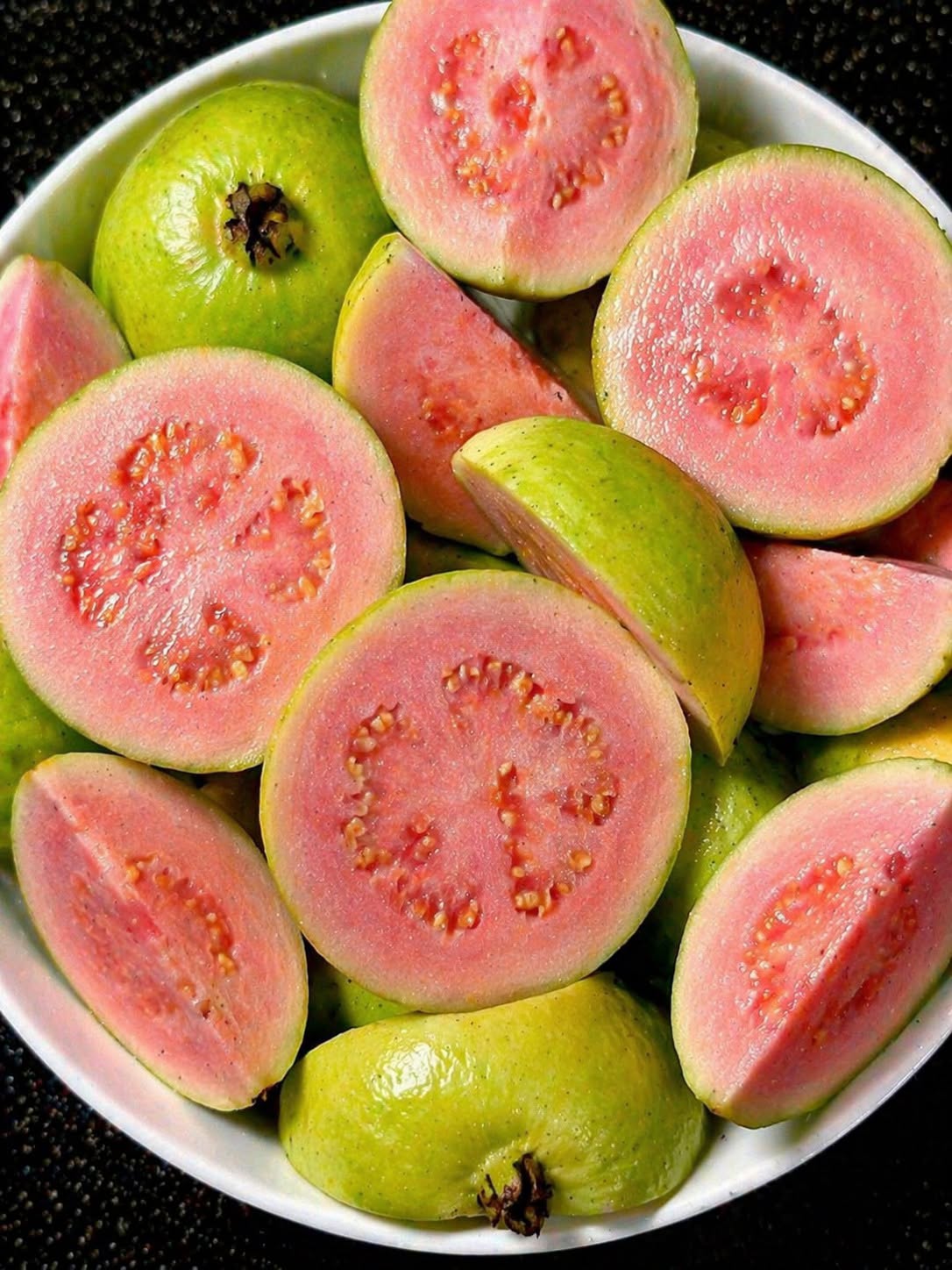
The fruits are typically oval-shaped with green or yellowish skin, edible seeds, and flesh that ranges from white and yellow to pink. A ripe guava feels slightly soft when gently squeezed and has a pleasant, sweet, citrus-like aroma.
According to a review published in Pharmacognosy Review, guava is considered a nutrient-dense “superfruit” because of its exceptional nutritional profile. In fact, ripe pink guava contains approximately four times more vitamin C than an orange.
Guava juice and guava nectar are also popular beverages enjoyed for their refreshing tropical flavor.
Guava Nutrition Facts
One of the reasons guava is considered such a healthy fruit is its impressive combination of vitamins, minerals, fiber, and antioxidants.
According to the United States Department of Agriculture (USDA), one medium peeled guava contains approximately:
- 37 calories
- 8 g carbohydrates
- 3 g dietary fiber (12% of the recommended daily intake)
- 125 mg vitamin C (over 100% of the daily requirement)
- 343 IU vitamin A
- 26 mcg folate
- Small amounts of vitamins E, K, and several B vitamins
Eating the seeds further increases your fiber intake, as more than half of the seed’s weight consists of dietary fiber.
Pink guava is particularly rich in lycopene, a powerful antioxidant responsible for its vibrant color. Combined with its exceptionally high vitamin C content, guava provides excellent antioxidant protection.
Guava leaves are also valued for their natural compounds. Research has shown that guava leaf extracts possess antimicrobial properties and have traditionally been used to support digestive health, relieve diarrhea, soothe stomach discomfort, and promote oral health.