Easy Ways to Enjoy More Beets
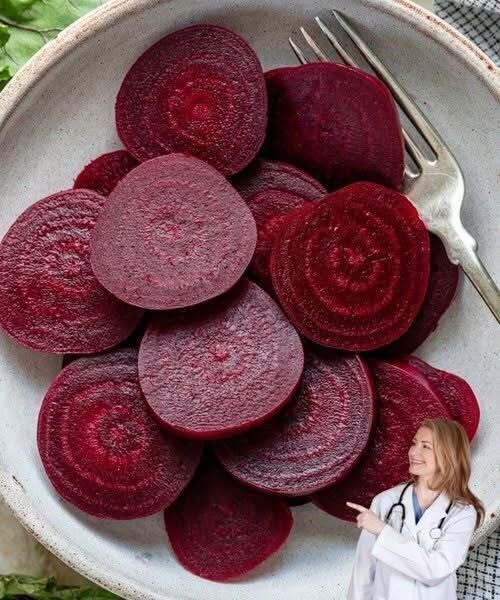
• Roast whole beets until tender for naturally sweet flavor.
• Steam diced beets for a simple side dish.
• Blend with apple, carrot, ginger, and lemon for fresh juice.
• Add pickled beets to salads and sandwiches.
• Grate raw beets into slaws and salads for extra crunch.
Who Should Use Caution?
Although beets are safe for most people, some individuals should speak with a healthcare professional before making significant dietary changes.
This includes people who:
• Have a history of oxalate-related kidney stones.
• Take medication to lower blood pressure.
• Have chronic medical conditions requiring specialized diets.
Frequently Asked Questions
How much beetroot should I eat?
Many studies have used about one cup of cooked beets or one glass of beet juice daily.
Can you eat beet greens?
Yes. Beet greens are highly nutritious and can be cooked much like spinach.
Are canned or pickled beets healthy?
Yes, although some varieties may contain added sodium or sugar, so checking the nutrition label is helpful.
Can beets be grown at home?
Absolutely. Beets grow well in cool weather, and both the roots and leaves can be harvested and eaten.
Final Thoughts
Beets are among the most nutrient-dense vegetables available, providing natural nitrates, fiber, vitamins, minerals, and antioxidants that support overall health. While they are not a cure-all, regularly including them in a balanced diet may contribute to healthy circulation, digestion, exercise performance, and long-term wellness. Whether roasted, steamed, pickled, juiced, or enjoyed raw, beetroot is a colorful and delicious addition to everyday meals.